

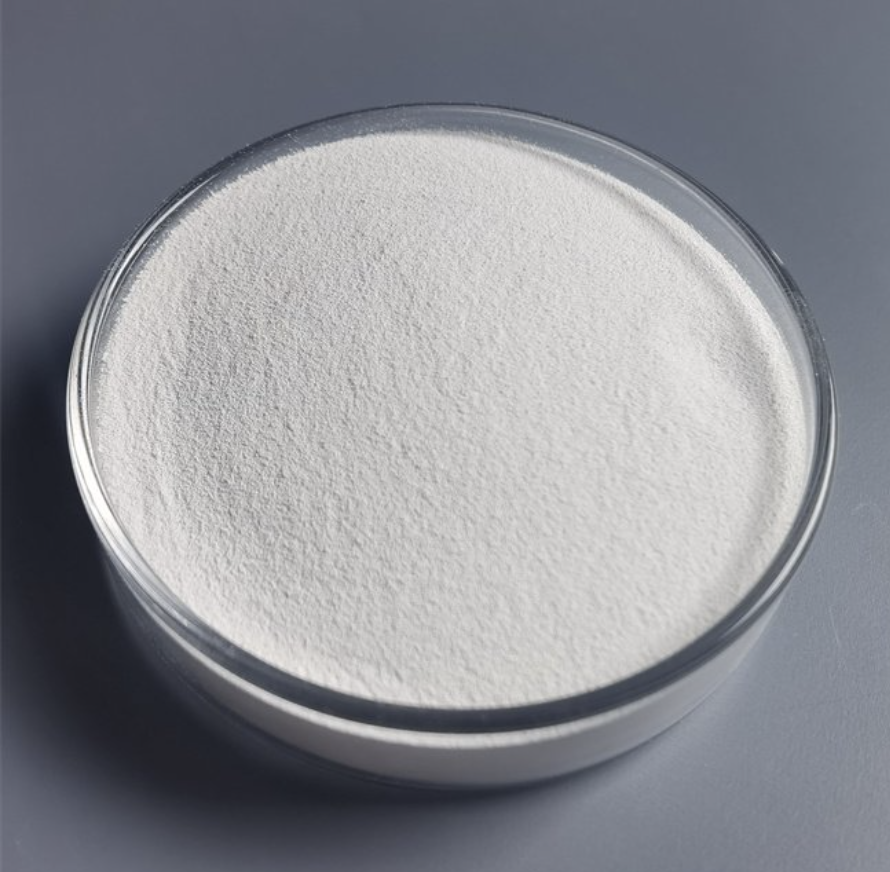
Product Name: MICROCRYSTALLINE CELLULOSE(MCC)
HS Code: 3912900000
Packaging: 25kg Kraft paper/plastic bag or Customized package;
Microcrystalline Cellulose (MCC) is a purified, partially depolymerized natural cellulose. It typically appears as a white, odorless, tasteless, free-flowing powder. Due to its good flowability and compressibility, it is widely used across multiple industries.
Introduction & Key Characteristics
Source & Preparation: Produced by treating plant fibers (such as wood pulp or cotton linter) with dilute acid to remove amorphous regions.
Safety: Classified as Generally Recognized as Safe (GRAS) by the U.S. FDA. It is essentially non-toxic when taken orally and is not absorbed by the human body.
Physical Properties: Insoluble in water, dilute acids, and most organic solvents, but it can absorb water and swell in aqueous media. When compressed, hydrogen bonding between particles gives it high compressibility, which forms the basis for its use as a high-quality excipient.
Core Application Areas
Pharmaceutical
Industry (Tablets & Capsules)
In the pharmaceutical industry, Microcrystalline Cellulose is one of the most
important pharmaceutical excipients. Its core functions include:
Binder & Disintegrant: It can both bind powder particles into hard tablets through hydrogen bonding and cause the tablet to rapidly absorb water and disintegrate upon contact with liquids (such as gastric fluid), releasing the active ingredient.
Dry Granulation / Direct Compression: Its high compressibility allows for direct tablet compression, simplifying traditional manufacturing processes.
Food Industry (Dietary Fiber)
As a natural dietary fiber and food additive (designated E460i), it performs
the following key functions:
Stabilization & Anti-caking: Prevents ice crystal formation in ice cream, improving texture; maintains emulsion stability in sauces and dairy products; prevents powder agglomeration.
Texture Improvement: Serves as a fat replacer in low-fat foods, imparting a creamy, fat-like mouthfeel; acts as a bulking agent to increase volume and provide satiety.
Cosmetics &
Personal Care Industry
Leveraging its adsorption and texture-modifying properties:
Oil Control & Skin Feel: Acts as an oil absorber in loose powders and pressed powders to adsorb excess sebum and improve glide-on application.
Molding & Cleaning: Functions as an abrasive in toothpaste to aid cleaning; serves as a filler and thickener in soaps and cleansing clay masks.